

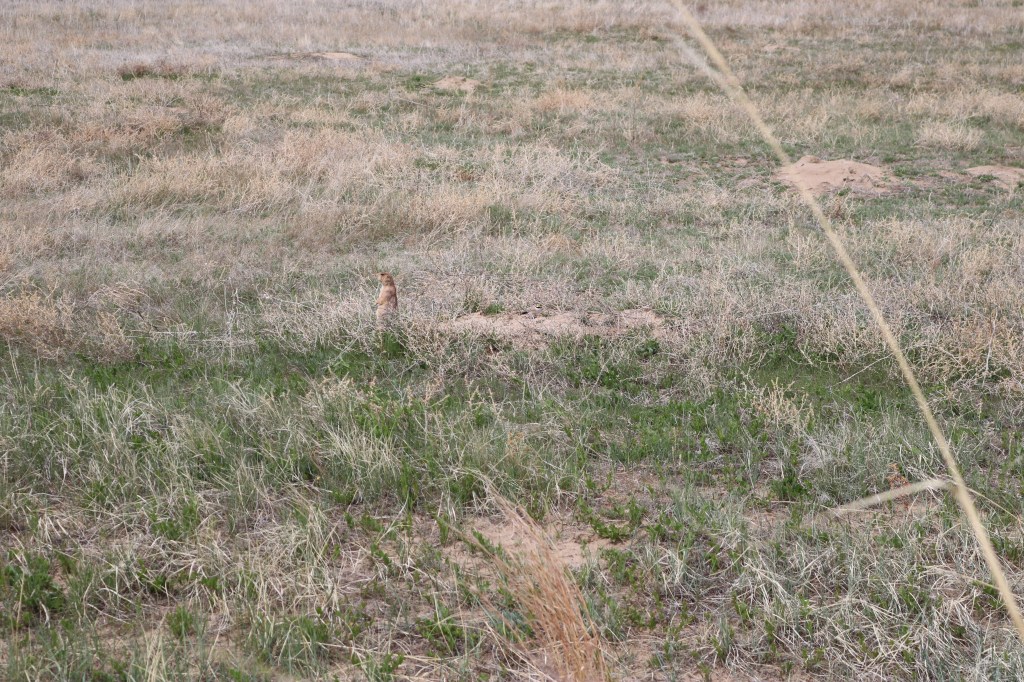
Prairie dogs frequently get a bad rap, particularly among farmers and individuals that do not understand their importance. They are frequently identified as a ‘nuisance’ due to many reasons, namely their burrows and potential for damaging crops. Prairie dog habitats are mostly in open grasslands.
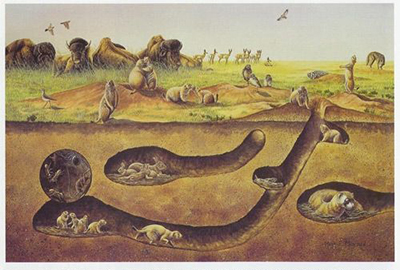
Why do people view prairie dogs as a nuisance? Prairie dogs live in burrows and have a very extensive burrow system. See the image above for a good example of their burrow system. Their burrows have the potential to damage crops, grasses, and other vegetation. Additionally, livestock can break their leg by accidentally walking over a burrow. If you look at the image, I’m sure you can image the damage that the burrows can cause by being so deep within the ground. They can cause damage to underground tubing such as, water lines and irrigation tubing.
Removal & Relocation of prairie dogs: When prairie dogs are causing damage to your property, there is definitely a need to remove and relocate them. Removal and relocation is very tricky though. It is a very time consuming and expensive process. Prairie dogs living in a public area (like a park) where individuals may view them as a nuisance is not grounds for removal. Just know that they were here long before you were.
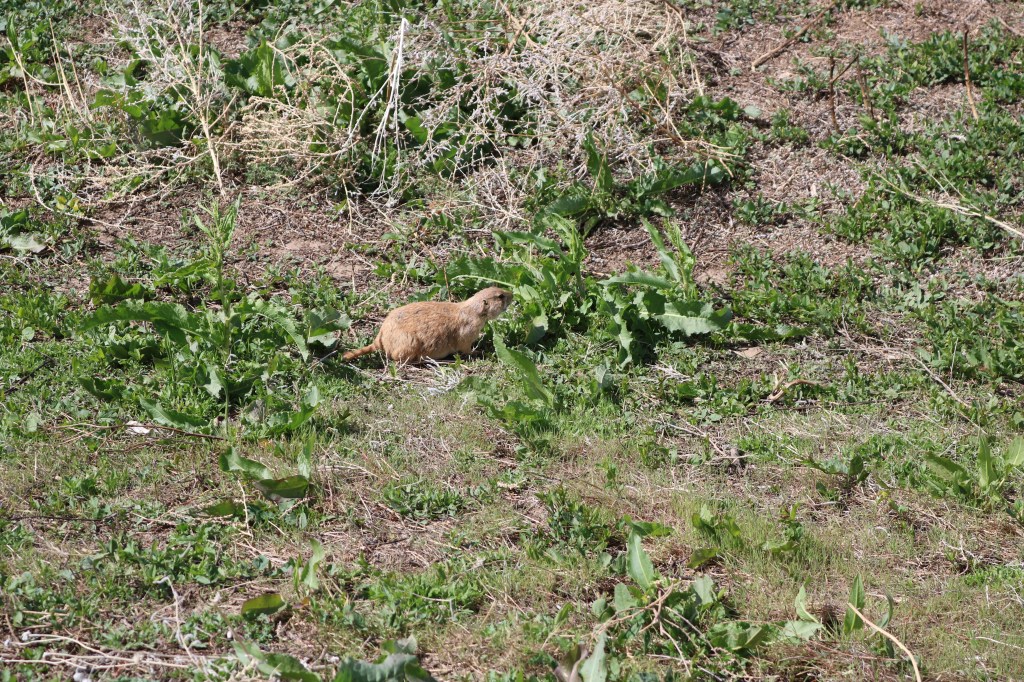
What is the ecological importance of prairie dogs? Prairie dogs are what we call a keystone species. A keystone species means that without the species, it would cause great harm to the ecosystem because so many other species rely on it. If prairie dogs went extinct the ecosystem could easily collapse. Prairie dogs are a food source for so many animals including: coyotes, bobcats, eagles, hawks, foxes, mountain lions, wolves, badgers, and rattlesnakes. They help maintain the health of grasses, as this makes up most of their diet. Burrowing can also be healthy for the soil due to mixing different soil types and incorporating organic material into the soil.
Prairie dogs and the plague: This is a reason why people think negatively of prairie dogs. They can be afflicted with the sylvatic plague, which is a flea borne bacterial illness. It can spread to humans, pets, and other wildlife, but it is spread by flea bites, open wounds, or inhalation. The transmission risk to humans and pets is low, but it is never advised to touch or handle prairie dogs. This plague is very fatal to prairie dogs and other wildlife.
I hope this blog post cleared up some confusion surrounding prairie dogs. Hopefully you learned how prairie dogs are vital to the ecosystem. Leave me a comment with what you learned!
 Action Fauna Blog
Leave a comment