

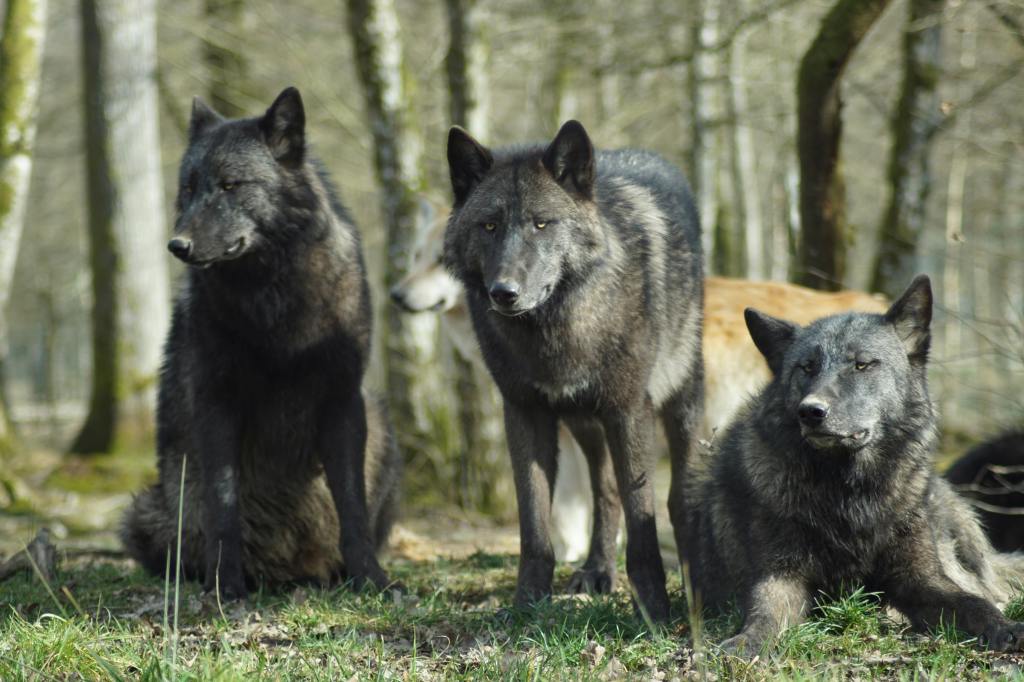
I have found that the Gray Wolf re-introduction in Colorado is very controversial and I have seen and read many people spreading myths about it. Actually, the catalyst behind starting this blog was after reading & hearing about all of the misinformation from other people on the topic of wolf re-introduction in Colorado. I hope that this post helps clear up some of the confusion. Please leave any questions/concerns in the comments so that I can address them!
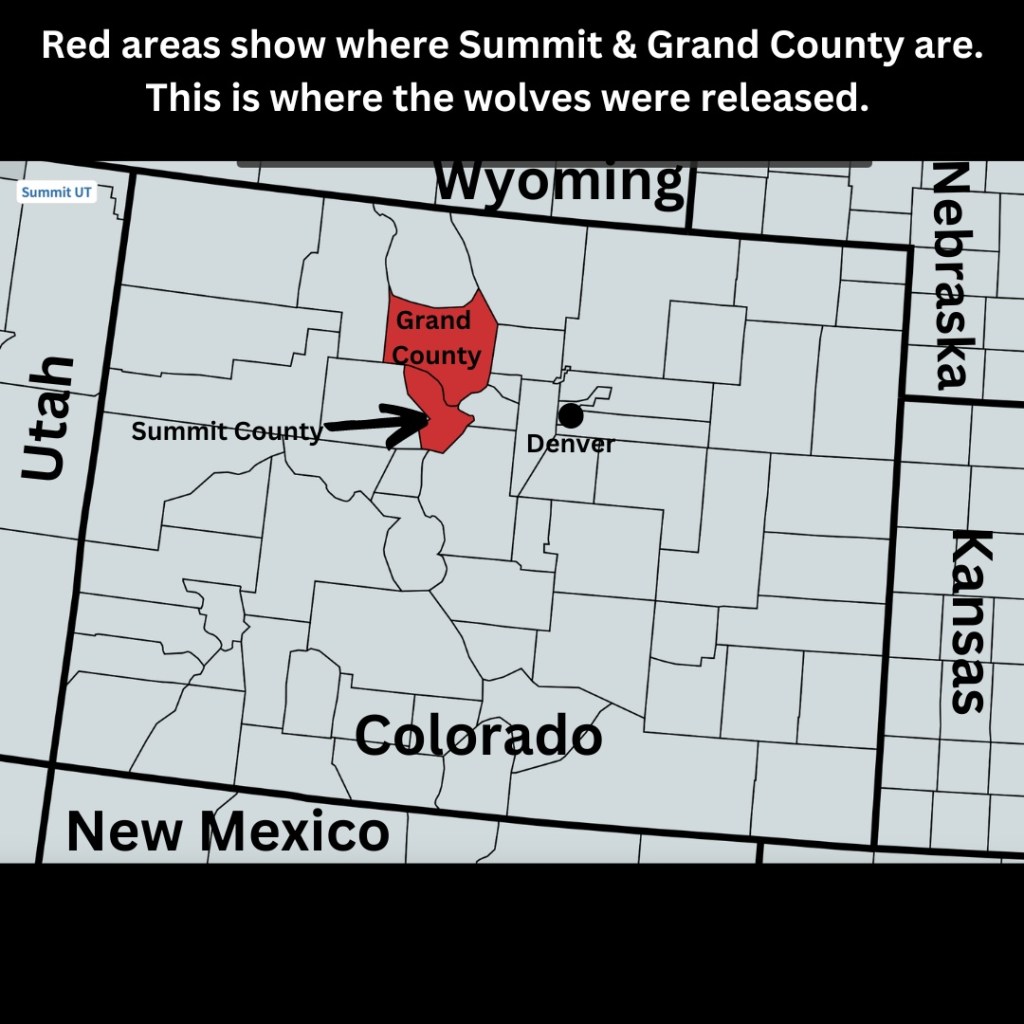
Background: Wolf re-introduction in Colorado was a voted on initiative by citizens that passed. As a result, 10 gray wolves were released into Colorado in December of 2023. These wolves were released in Summit county and Grand county on public land. Wolves were released and will only be released in the future west of the continental divide. All of the released wolves will be tracked & monitored with GPS collars.
Will there be more wolf releases? According to Colorado Parks & Wildlife, Wolf releases will occur annually between December and mid-March. It is anticipated that wolf reintroduction efforts will require the transfer of about 30 to 50 wolves in total over a 3-5 year time frame. Colorado Parks and Wildlife will aim to capture 10-15 wild wolves annually from several different packs by trapping, darting, or net gunning in the fall and winter. (https://cpw.state.co.us/bringing-wolves-back-colorado#4257225834-3726575433)
How did scientists choose where to release the wolves? Scientists looked at several factors when they were considering where to release these wolves. We knew that the wolves would be released west of the continental divide, but scientists looked at factors like amount of prey available, slopes, livestock, etc to determine the perfect location to release these wolves. Scientists settled on Grand county and Summit county to release the wolves. See the map below for a visual of where these counties are located.
Are gray wolves native to Colorado? Yes! Wolves lived in Colorado prior to the 1940’s. The gray wolves were unfortunately eradicated from Colorado in the 1940’s by shooting, trapping, & poisoning because the wolves killed livestock. (Coloradostate.edu) I have seen, read, & have heard many people make comments stating that wolves are invasive or not native to Colorado, this is not factual.
Where did the wolves that were released in Colorado come from? 10 wolves were trapped in Oregon and transported to Colorado.
Wolves and Livestock:
The topic of wolves and livestock is a hot one and this is where I have seen the most hesitation and concern when it comes to wolf re-introduction. Let me first start off with, the Colorado Parks & Wildlife has great information on their site related to this topic, linked here. I understand that this is a delicate issue. This is why scientists took into consideration the amount of livestock, location of livestock, etc when they were deciding where to release the wolves, in an effort to reduce, as much as possible, any conflicts with livestock. Yes, there is obvious concern that wolves may depredate on livestock. However, did you know that there is a government funded program that will compensate you if you lose livestock to a wolf? For more detailed information, I highly recommend you visit the Colorado Parks & Wildlife website, linked above & below.
Pros/Cons of re-introducing wolves into Colorado:
Pros:
- Colorado is a suitable habitat for wolves with plenty of prey. (Coloradostate.edu)
- Wolves help keep elk & deer populations from overgrowing, since elk & deer are part of a wolves diet.
- Helps with biodiversity, related to keeping the elk/deer populations in check and prevent overgrowth. Keeping the elk/deer populations from overgrowing, helps with the overall health of the ecosystem by preventing disease within these populations. This is just one reason of many how wolves help with biodiversity.
- In many other ecosystems, wolves are a keystone species, meaning that without them, the ecosystem would not be able survive or would suffer greatly, as many species rely on them. In time, we will see if wolves become a keystone species in Colorado.
Cons:
- Livestock/Animal Depredation. To help offset this con, there is a government funded program that reimburses ranchers for livestock depredated by wolves. Read more about this here.
- Potential threats to people/pets. Wolves are very seclusive, so human interactions with wolves are rare, but it is still a potential threat.
I highly encourage you to check out the Colorado Parks & Wildlife website linked below. It is very informative and has fantastic information & FAQ’s about the wolves along with some basic background information.
In the comments: Let me know one thing you learned and/or some questions/concerns you have about wolf re-introduction and I will try to address them.
Resources:
Colorado Parks & Wildlife: https://cpw.state.co.us/bringing-wolves-back-colorado#4257225834-3726575433
Colorado State PDF Pamphlet: https://extension.colostate.edu/docs/pubs/predator/08007.pdf
 Action Fauna Blog
Leave a comment